
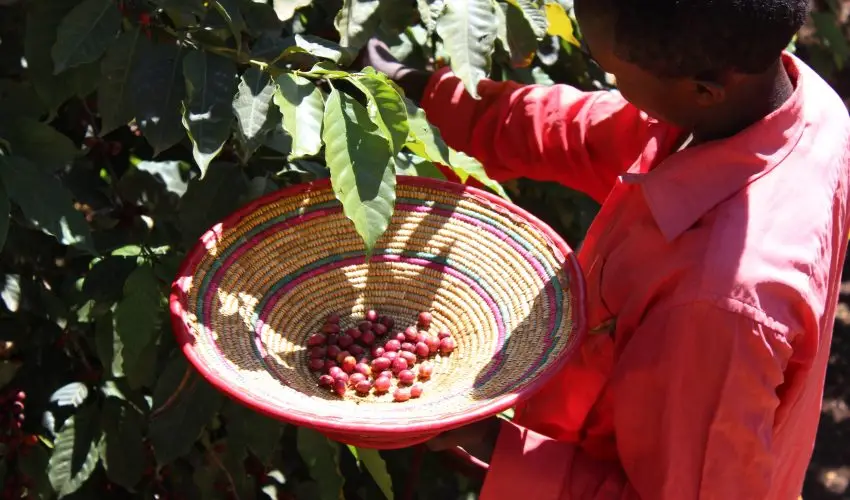
When you hear “Single Origin,” think of it as the VIP of the coffee world – the kind that boasts a passport filled with stamps from exotic locales. This coffee comes directly from a specific region, such as a sunny hillside in Guji, the lush forests of Kaffa, Yirgacheffe or the highlands of Harrar in Ethiopia. The beauty of single origin coffee lies in its traceability – you know exactly where it comes from, which speaks volumes about the unique flavors that will tantalize your taste buds.
The Terroir: Where Taste Meets Place
Much like wine, single origin coffee derives its character from its place of origin. The climate, soil, and even the hands that cultivate it all contribute to the distinctive “je ne sais quoi” of your coffee. For instance, if your coffee grows near pepper trees in the Guji region, you might detect a hint of spiciness in your cup.
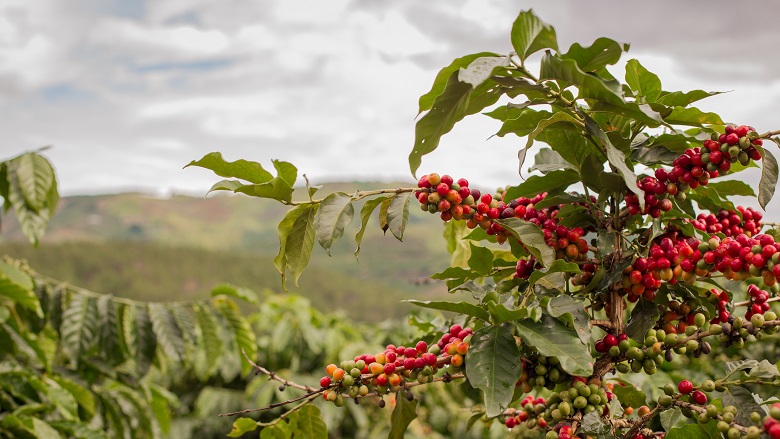
Climate plays a crucial role in shaping coffee’s flavor. From the tropical lowlands of Limu to the high-altitude regions of Yirgacheffe, each environment imparts its own unique touch. This makes every cup of single origin coffee a little adventure. In regions with distinct dry and wet seasons, coffee ripens faster compared to areas with a more temperate climate.
Altitude: Refining the Flavor
On the global coffee stage, two superstars stand out: Arabica and Robusta. Arabica is like a delicate and refined diva with complex flavors, thriving at higher altitudes, while Robusta is robust, slightly more bitter, and can grow almost anywhere.
But why does coffee taste different at higher altitudes? At higher elevations, coffee plants grow more slowly, absorbing more nutrients and developing richer flavors. The cooler temperatures cause the beans to accumulate more sugars, resulting in a sweeter and fuller flavor. Additionally, the significant temperature difference between day and night at high altitudes contributes to a more complex taste profile, akin to a cocktail of flavors. The mineral-rich mountain soil further enhances the coffee’s unique taste. So, when you savor high-altitude coffee from regions like Sidamo or Harrar, expect an extravaganza of flavors – it’s like the coffee has returned from an enriching journey abroad, full of fascinating stories!
The Art of Harvesting and Processing
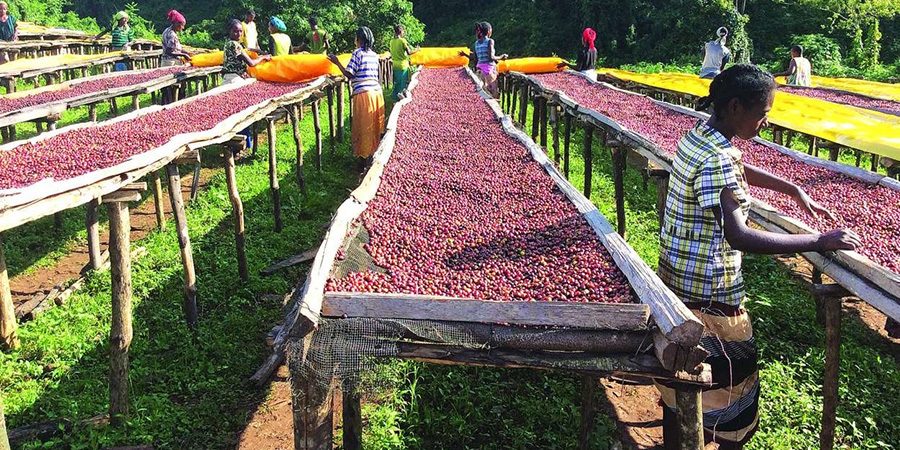
Even the methods of harvesting and initial processing can be an art form. Farmers who meticulously ferment and dry the beans transform your coffee into a liquid masterpiece.
Roasting and Preparation
Single origin coffee is typically roasted lightly to preserve its specific aromas. The preparation method should also be chosen to highlight its unique flavors.
Key Characteristics of Single Origin Coffee
- Source: Coffee beans come from a single origin, whether a specific country or region.
- Unique Flavor: The origin of the beans imparts a distinctive taste and aroma.
- Best Enjoyed Black: It is often best enjoyed without milk to fully appreciate its natural flavors.
- Light Roast: Usually lightly roasted to bring out the specific natural flavors.
- Exotic Aroma: The aroma can be pronounced in a particular spectrum, often making it exotic.
- Manual Brewing: To highlight the specific aromas, it is recommended to prepare using manual methods (Aero Press, filter, V60).